

Frequently Asked Questions
General
Visa rules for Namibia changed on 1 April 2025. Since then, nationals of a number of countries that previously travelled visa-free, including many European countries, the United Kingdom, the USA and Canada, need a visa to enter Namibia. For many of them a visa on arrival or an online e-visa is available.
Requirements depend on your nationality and can change, so check the current official rules before you travel. All visitors must hold a passport valid for 6 months.
Visit Namibia: update on visa requirements (opens in a new tab)Visit Namibia FAQ (opens in a new tab)
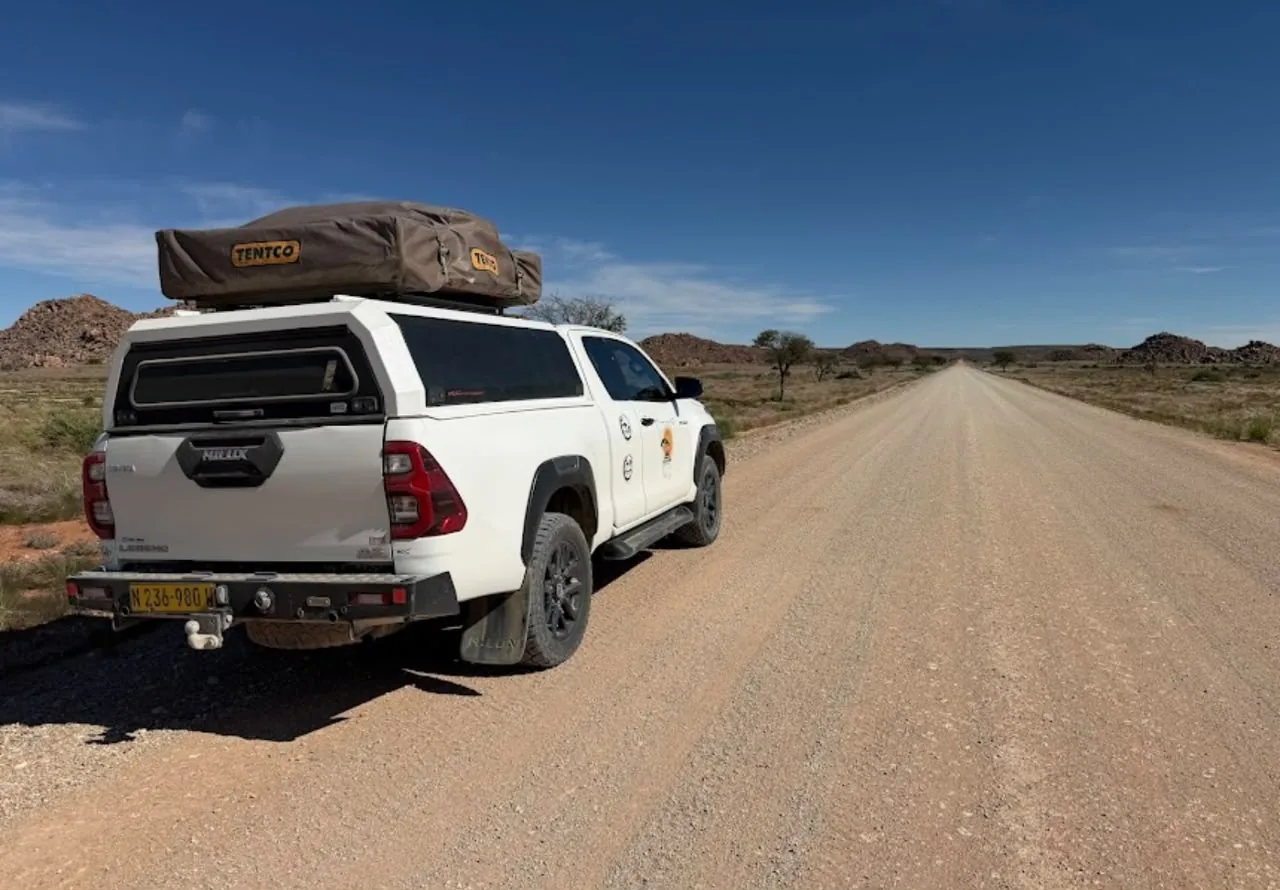
What little rain the desert country of Namibia does get, travelling on gravel roads gets challenging during the southern hemisphere’s summer months from November to March. During this time, we do recommend a 4 x 4 rental car. But at other times a normal car with relatively high clearance is perfect.
It’s important to work with an expert when planning a self-drive journey through Namibia. Driving in Namibia takes longer than you might expect. Ask us how far you can happily travel in enjoyment rather than in exasperation.This question is worth asking yourself and probably the most difficult one for us to answer: Everybody’s driving style is different and everyone has his/her own experiences. What is easy to one, is impossible to someone else. We often find that some drivers handle loose surfaces better than other drivers with many years of driving experience.
Generally spoken Namibia’s gravel roads are in good condition as they are graded frequently. During the rainy season, road conditions changes. After heavy rains, the roads can be washed out or covered with sandy soil. This sudden change of surfaces can be frightening for a totally inexperienced driver, thus it is highly recommended to drive slowly.
If you're unsure about your skills for driving on Namibia's gravel roads, we strongly recommend that you attend 4x4 off-road training before the commencement of your journey.
Please note, that Namibia and South Africa have left-hand traffic, so for those not used to that, it’s especially important to drive cautiously.
Robberies, muggings, and thefts do occur, especially in downtown shopping areas and locations where foreign visitors tend to congregate.
Foreign visitors to Namibia can be victims to crime. Incidents occur more after dark than during daytime hours. In most incidents, victims who surrender their belongings without resistance will be unharmed.
The most common incidents are non-violent crimes of opportunity, committed by thieves who rely on stealth and surprise, such as pick-pocketing, purse-snatching, vehicle theft, and vehicle break-ins. Common sense measures, such as not leaving valuables in parked cars, safeguarding purses, keeping wallets in front pockets, and being alert to one's surroundings, are the best deterrents against crime. Visitors should not leave valuables unsecured in their rooms.
Theft from motor vehicles remains a concern in all major cities. This crime usually involves smash and grab patterns and is sometimes associated with violence. Personal robberies and residential break-ins and thefts remain prevalent.
If a crime does occur report to the nearest Police Station.