

SELF-DRIVE NAMIBIA
Namibia Self-Drive Travel Tips
Practical, calm preparation for European drivers: left-side driving, gravel roads, long distances and the documents to carry.
Why driving in Namibia feels different
Namibia is a wide, quiet country. Towns are far apart, many of the most rewarding routes are on gravel, and fuel, phone signal and help can be hours away. None of this makes a self-drive difficult, but it does reward a little preparation. Most visitors from Europe settle in after the first day or two once they adjust their speed and daily distances.
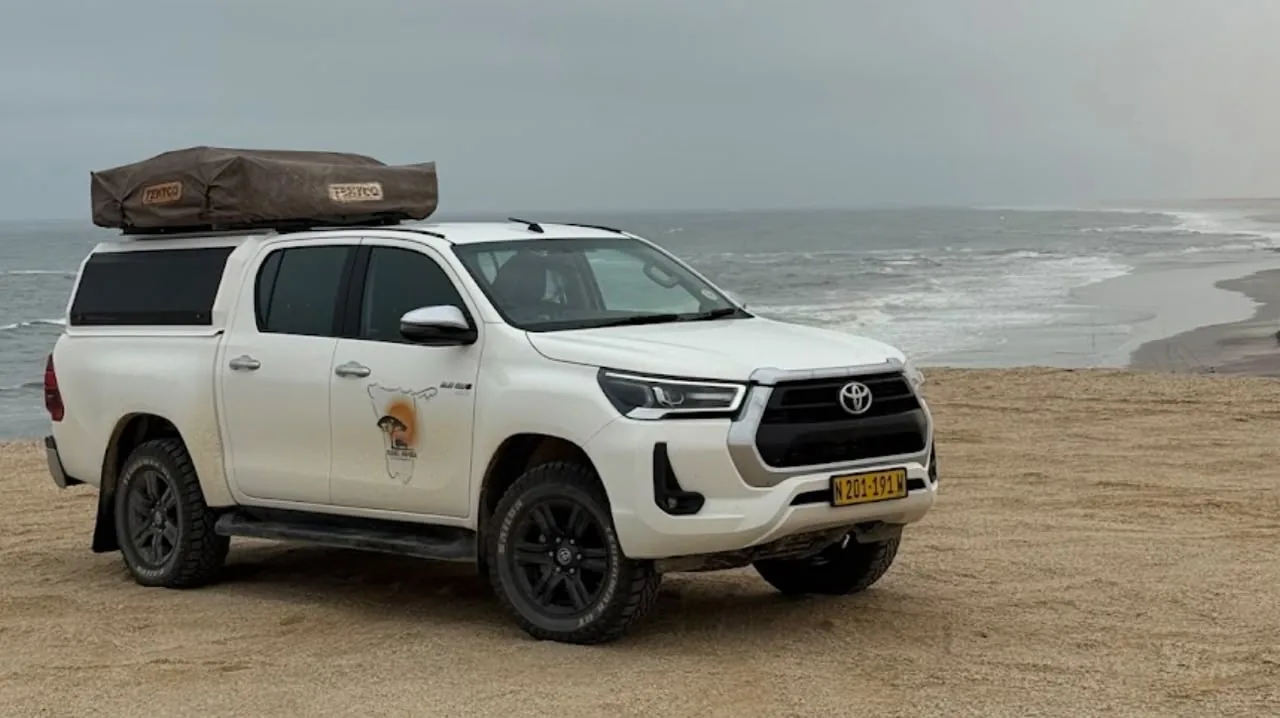
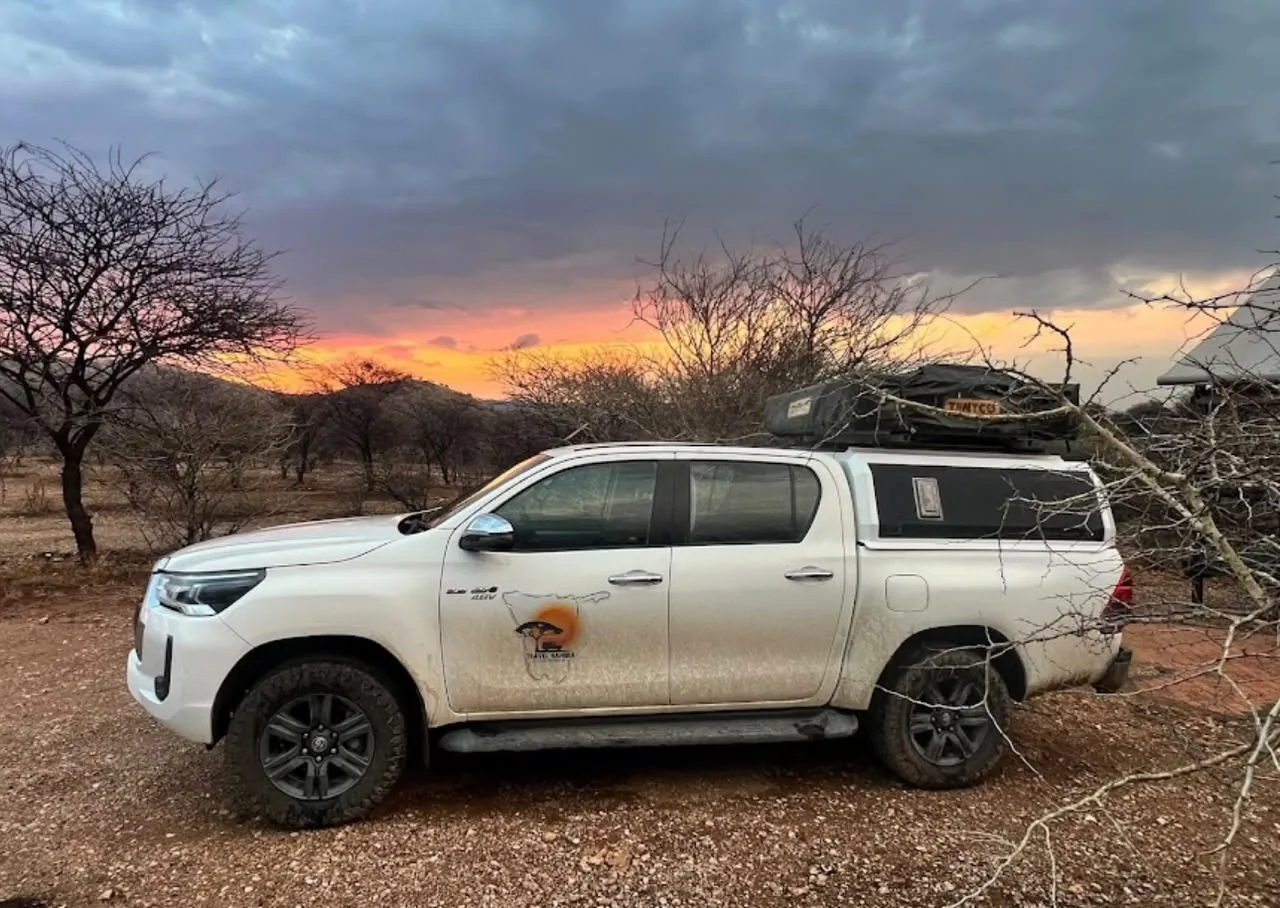
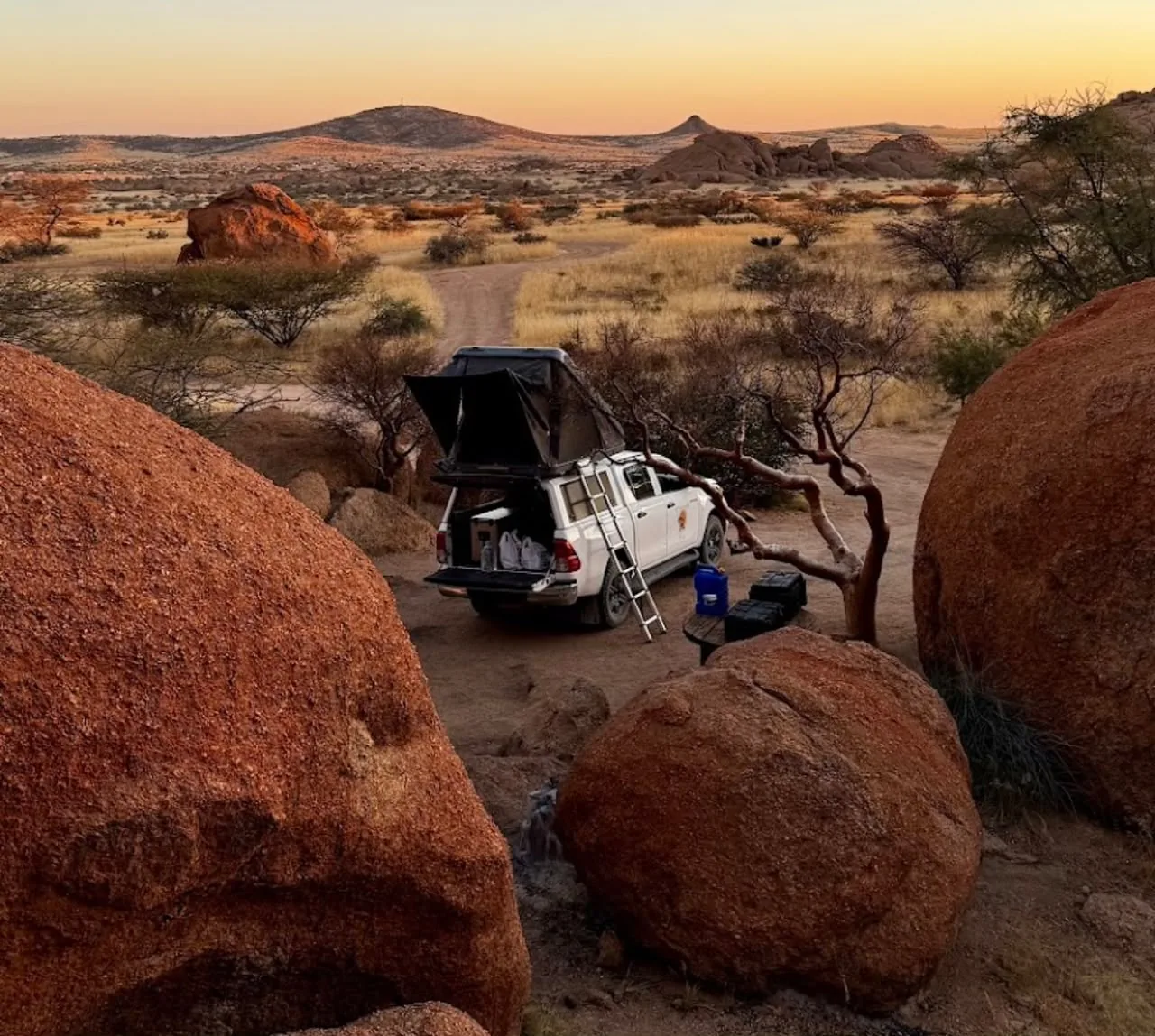
Travel Namibia is owner-managed. At handover we take time to walk you through the vehicle and, if you rent it, the camping equipment, and we stay reachable during your trip, including weekends and public holidays.
Driving on the left
- Namibia drives on the left. Plan a gentle first day out of Windhoek so you can get used to the controls before long gravel stretches.
- At junctions and when pulling out of fuel stations, consciously look right first.
- Overtake only with a long, clear view. Dust from other vehicles can hide oncoming traffic on gravel.
Gravel roads and speed
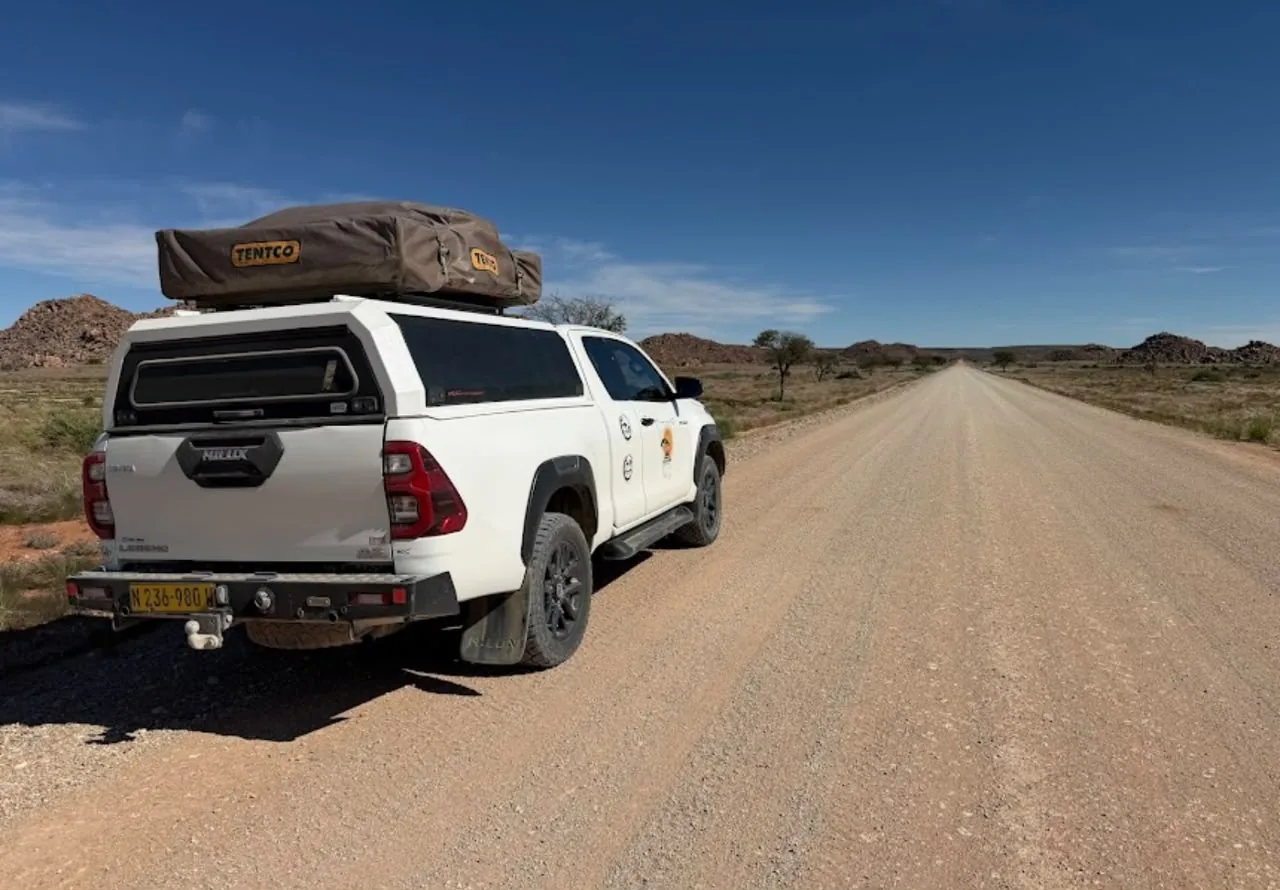
Gravel surfaces change from smooth and hard to loose, corrugated or sandy, sometimes within a few metres. Loose gravel behaves more like snow or ice than tarmac: braking distances are longer and sudden steering can cause a skid.
- Drive well within the speed limits shown on our Information page, and slower when the surface is loose, after rain or in poor light.
- Brake gently in a straight line before bends, not in them.
- Keep both hands on the wheel and avoid sudden swerves for animals or potholes.
- Our vehicles carry a tracker, and speeding affects your insurance cover. See Insurance and excess explained.
- If you have never driven on gravel or used four-wheel drive, ask us about it at handover or consider a short off-road course before your trip.
Long distances and daily planning
Journeys take longer than map apps suggest. Build in time for photo stops, slower gravel sections and refuelling, and avoid planning every day at the limit.
- Fill up whenever you pass a fuel station on remote routes, and carry drinking water.
- Download offline maps before you leave Windhoek; mobile signal is patchy away from towns.
- Share your rough route and overnight stops with us and with your accommodation.
Avoid driving at night
Wildlife and livestock on or beside the road are very hard to see after dark, and help is further away. Plan to reach your overnight stop before sunset. Namibia's road-safety guidance from CARAN (opens in a new tab) gives the same advice.
Before-you-go checklist
| Item | What to check |
|---|---|
| Passport and entry rules | Check current official entry and visa requirements for your nationality before you travel, for example via the Visit Namibia FAQ (opens in a new tab) and your nearest Namibian mission. |
| Driving licence | A valid, unendorsed licence held for at least one year, carried at all times while driving. An International Driving Permit is recommended, especially if your licence is not in English. |
| Credit card | A Visa or MasterCard with enough available funds for the excess authorisation of your chosen insurance option. See the Information page. |
| Park permits | Check entry permit requirements for national parks, such as Etosha, with the Ministry of Environment, Forestry and Tourism (opens in a new tab). |
| Cross-border plans | Tell us before booking. Vehicles may only leave Namibia with prior approval and the paperwork we prepare. |
| Travel insurance | Take out personal travel insurance for medical costs, cancellation and baggage. It is separate from the vehicle cover. |
If something goes wrong on the road
- Make sure everyone is safe and move off the road if you can.
- For a breakdown, call us on +264 81 7033 722. All vehicles have 24/7 breakdown assistance.
- After an accident, damage or theft, report it to the Namibian Police and to us immediately, and take photos where it is safe to do so. A police report is compulsory.
- Do not arrange your own repairs or towing before speaking to us, unless we ask you to.
Ready to plan your route?
Check the current rates for your travel dates, then send us your dates and rough itinerary for a written quote.